
We find that actual client information can help other people.
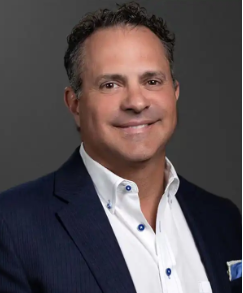
These are the top fifteen questions people ask Jeff Feliciano, CFP, CLU, CHFC, Executive Vice President, Feliciano Financial Group.
Jeff Feliciano has the following financial advisor certifications – Certified Financial Planner (CFP) · Chartered Life Underwriter (CLU) and Chartered Financial Consultant (ChFC)
- “Do I really need a financial advisor?”
Jeff’s Answer:
You do not need a financial advisor to invest.
You do need a qualified financial advisor or financial planner to make good decisions when life changes.
Most mistakes do not happen in calm markets.
They happen during retirement, inheritances, job changes, selling a business, or market stress.
Our job is to help you:
- Organize everything.
- Simplify decisions.
- Clarify tradeoffs.
- Feel confident moving forward.
If your life is simple, DIY might be fine.
If your life is changing, that is where a financial advisor can add real value.
- “What does a financial advisor actually do?”
Jeff’s Answer:
We do not pick stocks all day.
We help you answer questions like:
- “Can I retire, and when?”
- “How do I turn savings into income?”
- “What should I do with my 401k?”
- “How do I avoid big tax mistakes?”
- “What happens if something happens to me?”
Investments matter.
But decisions matter more than performance.
- “When should I start financial planning?”
Jeff’s Answer:
The best time is before a substantial change.
Common triggers:
- Retirement is 5–10 years away.
- A 401k rollover is coming.
- You received an inheritance.
- You are selling a business.
- You are tired of guessing.
Planning early gives you options.
Waiting usually costs flexibility.
- “What should I do with my old 401k?”
Jeff’s Answer:
There’s no one-size-fits-all answer.
Your options usually are:
- Leave it where it is.
- Roll it to an IRA.
- Roll it into a new employer plan.
The right answer depends on:
- Fees
- Investment options
- Taxes
- Protection
- Future income planning
We slow this down, so you do not make a permanent decision in a rushed moment.
- “Should I roll my 401k into an IRA?”
Jeff’s Answer:
Sometimes yes. Sometimes no.
An IRA can give:
- More flexibility
- Better coordination with tax planning
- Cleaner income strategies in retirement
But rolling over just because “everyone does it” is a mistake.
We only move money when there is an obvious reason.
- “How do you get paid?”
Jeff’s Answer:
Transparency matters.
Most of our work is:
- Fee-based advisory planning
- Ongoing investment management
- Consulting and planning support
No pressure. No surprises.
If it does not make sense, we do not do it.
- “How much money do I need to retire?”
Jeff’s Answer:
That is the wrong first question.
The better question is:
“What do I want retirement to look like?”
Income drives the number.
Lifestyle drives the plan.
Once we understand:
- Spending
- Timing
- Healthcare
- Taxes
- Risk tolerance
The math becomes clear.
- “Can I retire early?”
Jeff’s Answer:
Possibly. But early retirement is about cash flow, not age.
Key factors:
- Where income comes from
- When Social Security starts
- Taxes before Medicare
- Market risk early on
We map this out, so you are not guessing.
- “How do you manage risk?”
Jeff’s Answer:
We do not eliminate risk.
We manage it intentionally.
That means:
- Proper diversification
- Matching risk to time horizon
- Avoiding emotional decisions
- Planning income before returns.
Risk is not the enemy.
Poor planning is.
- “What happens when the market drops?”
Jeff’s Answer:
Markets will drop. Period.
Our job is to make sure:
- Your income is not forced to sell.
- You are not reacting emotionally.
- You understand why you own what you own.
Volatility is normal.
Panic is optional.
- “How is financial planning different from investing?”
Jeff’s Answer:
Investing is one tool.
Planning is the blueprint.
Planning answers:
- When to spend
- When to save
- When to take income
- When to take risk
- When to reduce taxes
Without planning, investing is just guessing with better math.
- “How do taxes factor into retirement planning?”
Jeff’s Answer:
Taxes are often the biggest expense in retirement.
We look at:
- When to pull from which account
- Roth vs traditional decisions
- Capital gains vs income.
- Avoiding unnecessary Medicare and Social Security penalties
Good tax planning does not avoid taxes.
It avoids unnecessary taxes.
- “What if I already have investments somewhere else?”
Jeff’s Answer:
That is fine.
We do not replace things just to replace them.
We coordinate everything, so it works together.
Clarity beats consolidation.
Sometimes you need both.
- “How do I know if I’m on track?”
Jeff’s Answer:
You are on track when:
- You know where you stand.
- You know your next decision.
- You are not guessing.
- You are sleeping better.
Confidence is the real metric.
- “What makes FFG different?”
Jeff’s Answer:
We lead with life, not products.
We:
- Listen first
- Slow decisions down
- Explain tradeoffs clearly.
- Focus on transitions, not transactions.
Our goal is simple:
Help you feel organized, simplified, clear, and confident.
Contact US to schedule your discovery call at 903-533-8585 to begin YOUR Feliciano Financial Blueprint.
Still want to learn more? Check out:
- Wealth Management Services
- Retirement Planning Services
- Family Financial Planning
- Asset Protection
- Cash Flow Management
- Charitable Tax Deductions
- College Planning
- Investment Planning
- Private Family Foundations
- Professional Specialties
- Tax Planning
- Wealth Planning
- Business Owner Financial Planning
This content is for educational purposes only and does not constitute legal advice. Please consult a qualified attorney for legal recommendations. Tax and legal services are not offered by Integrity Alliance, LLC. Securities and investment advisory services offered through Integrity Alliance, LLC, Member SIPC. Integrity Wealth is a marketing name for Integrity Alliance, LLC. Feliciano Financial Group is not affiliated with Integrity Wealth.
